
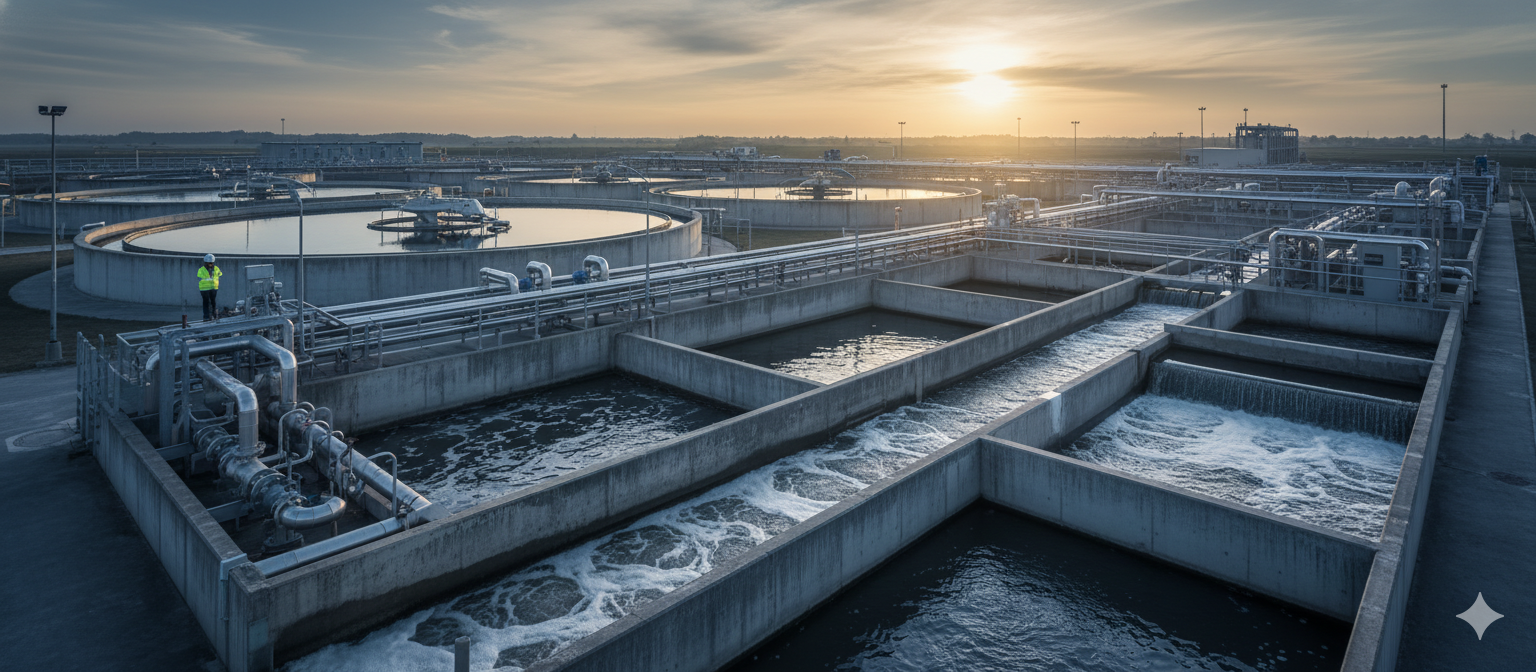
Wastewater treatment chemicals play a critical role in effectively managing and treating industrial and municipal wastewater. They are used in key processes such as coagulation, flocculation, pH adjustment, sludge conditioning, and odor control to remove contaminants and improve solid–liquid separation. By enhancing treatment efficiency, these chemicals help facilities meet strict environmental discharge standards, enable safe water reuse, and reduce pollutants. Proper application protects downstream equipment from damage, minimizes operational downtime, and supports sustainable wastewater management practices. Overall, wastewater treatment chemicals are essential for maintaining system performance, safeguarding the environment, and ensuring compliance with regulatory requirements.
Wastewater treatment chemicals are essential for ensuring safe, efficient, and compliant wastewater management in industrial and municipal systems. They assist in processes like coagulation, flocculation, pH adjustment, sludge conditioning, and odor control to remove contaminants and improve treatment performance. By enhancing solid–liquid separation, reducing pollutants, and preventing equipment corrosion or fouling, these chemicals help maintain system reliability and extend operational life. Their proper use supports regulatory compliance, enables water recycling and reuse, minimizes environmental impact, and reduces operational costs. Overall, wastewater treatment chemicals are a vital component of sustainable, efficient, and environmentally responsible wastewater management solutions.
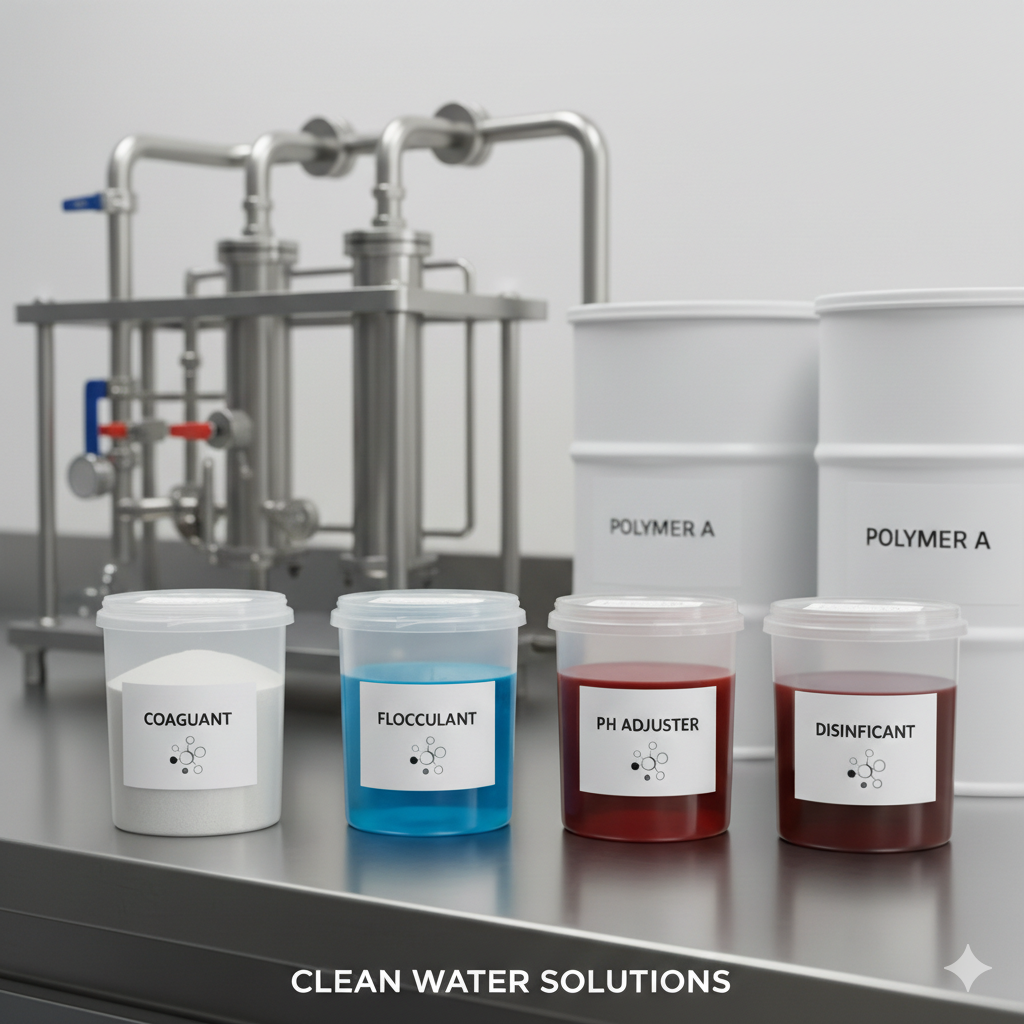
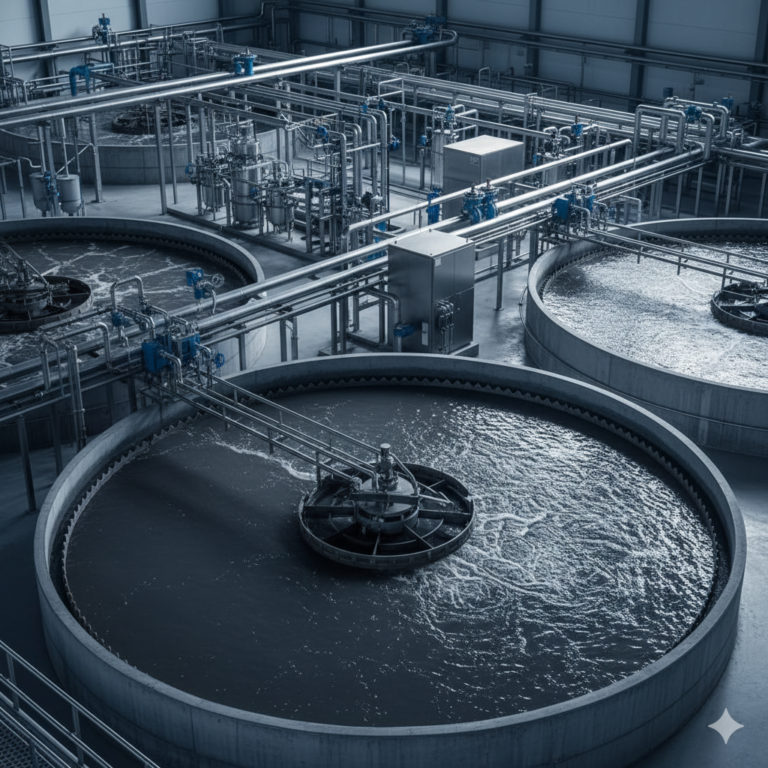
Industrial manufacturing facilities generate complex wastewater streams containing oils, greases, heavy metals, suspended solids, and residual process chemicals that can disrupt treatment systems and pose environmental risks if not properly managed. Wastewater treatment chemicals play a critical role in addressing these challenges through effective coagulation, flocculation, and precise pH control, enabling efficient contaminant removal and improved solid–liquid separation. Proper chemical treatment stabilizes effluent quality under varying operating conditions while preventing scaling, fouling, and corrosion in downstream equipment, thereby reducing maintenance requirements and unplanned downtime. By ensuring consistent treatment performance, manufacturers can meet stringent environmental discharge regulations and protect surrounding ecosystems. Additionally, treated wastewater can be safely reused for non-potable applications such as cooling or cleaning, supporting water conservation initiatives. Overall, optimized wastewater treatment chemical programs help industrial manufacturers achieve operational reliability, regulatory compliance, cost efficiency, and sustainable wastewater management practices.
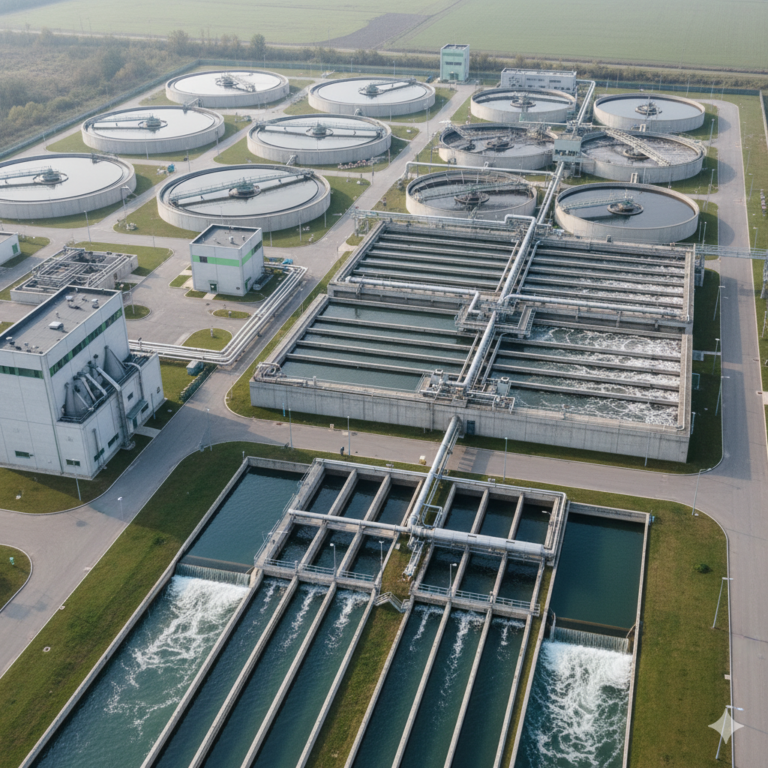
Municipal wastewater treatment plants manage large volumes of domestic sewage and urban wastewater that contain organic matter, suspended solids, nutrients, and harmful microorganisms. Specialized wastewater treatment chemicals are essential for ensuring efficient and reliable treatment across each stage of the process. Coagulants and flocculants enhance the removal of suspended solids and organic pollutants by improving clarification and sludge settling, while pH control chemicals create optimal conditions for biological treatment systems. Odor control chemicals help maintain a safe and hygienic working environment and reduce nuisance impacts on surrounding communities. Proper chemical application ensures consistent effluent quality and enables safe discharge in accordance with strict environmental regulations. In addition, effective chemical treatment improves sludge handling efficiency, reduces operational disruptions, and supports water recycling and reuse initiatives. By optimizing treatment performance, these chemical solutions help municipalities manage high-volume wastewater loads, minimize environmental impact, protect public health, and maintain long-term, sustainable wastewater treatment operations.
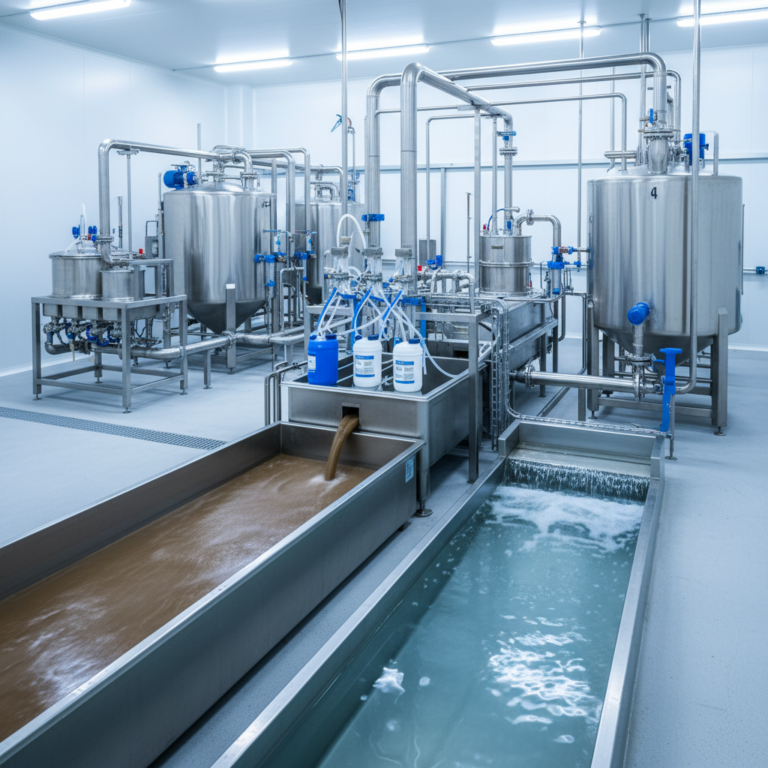
The food and beverage industry generates wastewater streams that are highly concentrated with organic matter, fats, oils, grease, sugars, proteins, and suspended solids, making effective treatment both critical and complex. Specialized wastewater treatment chemicals play a vital role in breaking down high organic loads, enhancing coagulation and flocculation, and improving the separation of solids from water. These chemicals help control unpleasant odors, inhibit microbial growth, and maintain strict hygiene standards required in food processing environments. Proper chemical treatment significantly improves clarification efficiency, lowers biological oxygen demand (BOD) and chemical oxygen demand (COD), and stabilizes downstream biological treatment processes. By optimizing pH levels and reducing shock loads, treatment chemicals protect equipment and biological systems from overload and operational disruptions. Effective wastewater management also ensures consistent compliance with food safety regulations and environmental discharge standards. Additionally, advanced chemical solutions support water reuse and recycling initiatives, reduce sludge volume, and promote sustainable water management practices across food and beverage manufacturing operations.

Power plants produce diverse wastewater streams originating from cooling towers, boiler blowdown, ash handling, and flue gas desulfurization processes, all of which require careful management to ensure safe and efficient operations. Wastewater treatment chemicals are essential for controlling scale formation, corrosion, fouling, and suspended solids that can damage heat exchangers, boilers, and cooling systems. Proper chemical conditioning stabilizes water chemistry by managing pH, hardness, and dissolved solids, ensuring consistent system performance and preventing unplanned shutdowns. These treatments enhance solids separation, improve discharge water quality, and support the effective operation of downstream treatment systems. By minimizing deposition and corrosion, treatment chemicals extend equipment lifespan, reduce maintenance costs, and improve overall cooling system efficiency. In addition, effective wastewater treatment enables power plants to meet strict environmental discharge regulations and water reuse standards, reducing environmental impact while supporting reliable, continuous, and sustainable power generation operations.
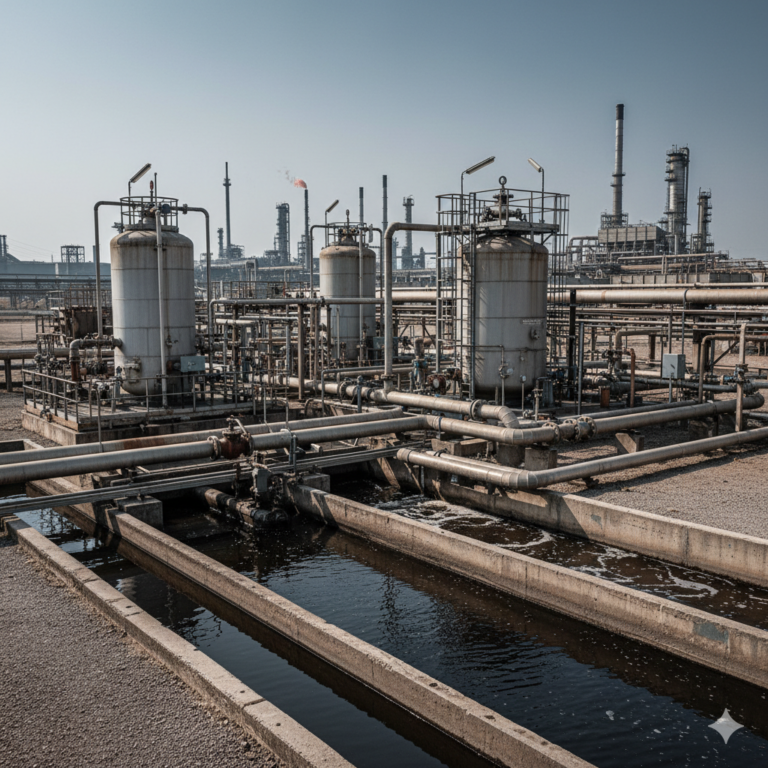
Oil and gas operations produce complex and highly variable wastewater streams that contain hydrocarbons, suspended solids, dissolved salts, heavy metals, and residual treatment chemicals from upstream and downstream processes. Specialized wastewater treatment chemicals play a critical role in achieving efficient oil-water separation, enhancing coagulation and flocculation, and removing fine solids and emulsified oils. These solutions help control contaminants that can interfere with biological or physical treatment systems, improving overall process stability and treatment reliability. Proper chemical treatment protects downstream equipment such as membranes, filters, and injection systems from fouling, scaling, and corrosion. By improving treated water quality, these chemicals enable safe discharge, reinjection, or reuse in operations such as enhanced oil recovery and utility water supply. Effective wastewater management ensures compliance with environmental regulations, reduces operational and safety risks, and supports sustainable water stewardship across upstream, midstream, and downstream oil and gas operations.
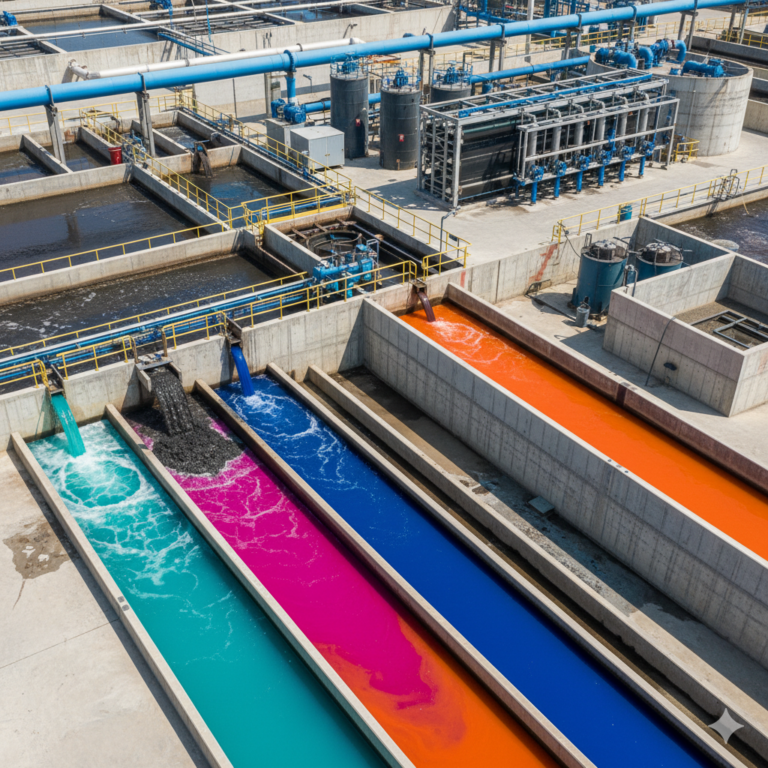
Textile and processing industries generate wastewater streams that are heavily loaded with synthetic dyes, surfactants, salts, auxiliary chemicals, and high levels of organic matter, making treatment particularly challenging. Wastewater treatment chemicals play a vital role in removing color, reducing toxic contaminants, and improving overall effluent clarity through effective coagulation, flocculation, and precipitation processes. These advanced chemical treatments enable the aggregation and removal of fine particles and dissolved pollutants that are difficult to eliminate through physical methods alone. Proper chemical dosing enhances treatment efficiency, stabilizes system performance, and significantly reduces chemical oxygen demand (COD) and biological oxygen demand (BOD). Effective wastewater treatment ensures consistent compliance with stringent discharge regulations, minimizes the impact on receiving water bodies, and protects aquatic ecosystems.
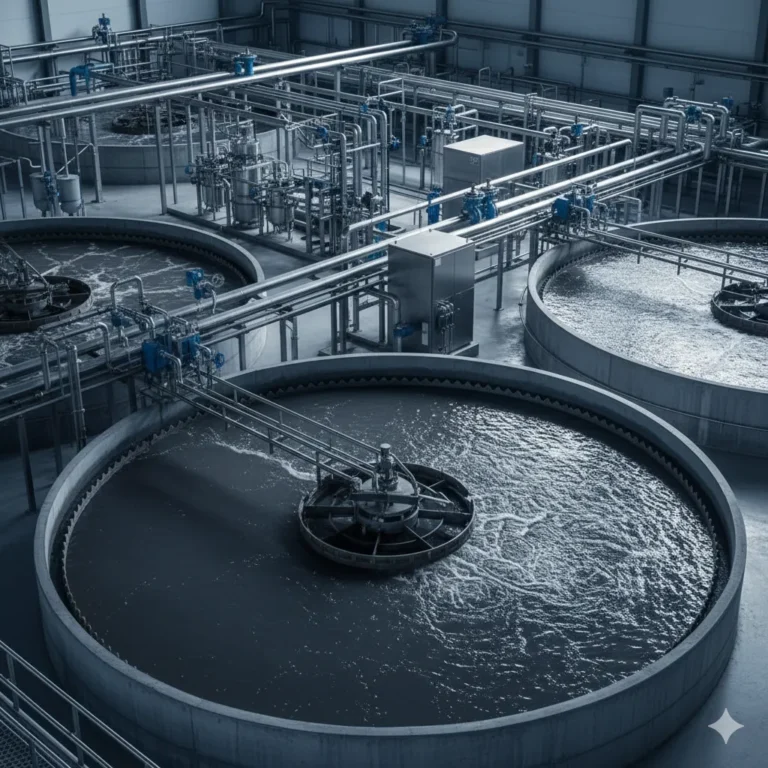
Industrial manufacturing facilities generate complex wastewater streams containing oils, greases, heavy metals, suspended solids, and residual process chemicals that can disrupt treatment systems and pose environmental risks if not properly managed. Wastewater treatment chemicals play a critical role in addressing these challenges through effective coagulation, flocculation, and precise pH control, enabling efficient contaminant removal and improved solid–liquid separation. Proper chemical treatment stabilizes effluent quality under varying operating conditions while preventing scaling, fouling, and corrosion in downstream equipment, thereby reducing maintenance requirements and unplanned downtime. By ensuring consistent treatment performance, manufacturers can meet stringent environmental discharge regulations and protect surrounding ecosystems. Additionally, treated wastewater can be safely reused for non-potable applications such as cooling or cleaning, supporting water conservation initiatives. Overall, optimized wastewater treatment chemical programs help industrial manufacturers achieve operational reliability, regulatory compliance, cost efficiency, and sustainable wastewater management practices.
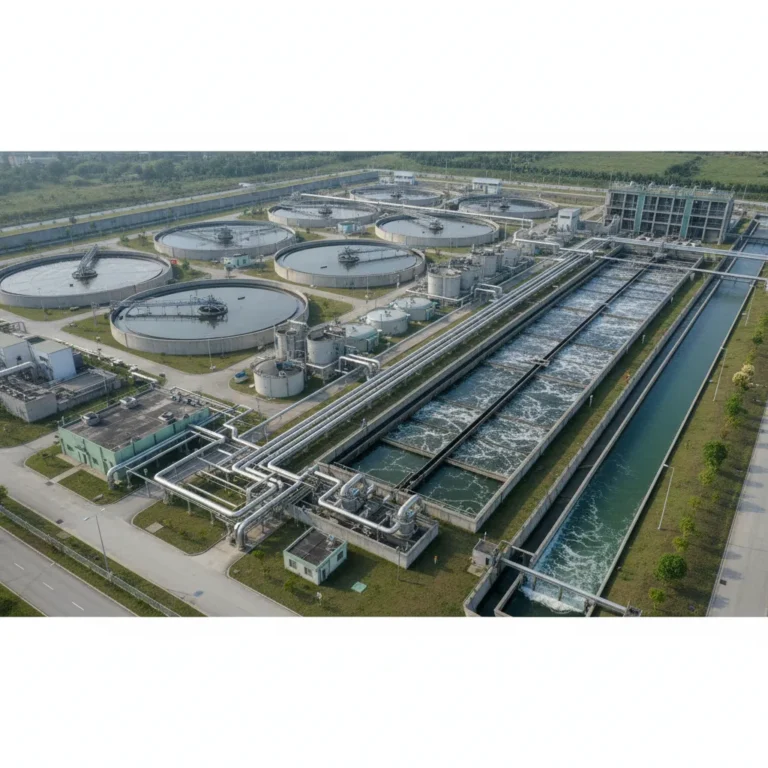
Municipal wastewater treatment plants manage large volumes of domestic sewage and urban wastewater that contain organic matter, suspended solids, nutrients, and harmful microorganisms. Specialized wastewater treatment chemicals are essential for ensuring efficient and reliable treatment across each stage of the process. Coagulants and flocculants enhance the removal of suspended solids and organic pollutants by improving clarification and sludge settling, while pH control chemicals create optimal conditions for biological treatment systems. Odor control chemicals help maintain a safe and hygienic working environment and reduce nuisance impacts on surrounding communities. Proper chemical application ensures consistent effluent quality and enables safe discharge in accordance with strict environmental regulations. In addition, effective chemical treatment improves sludge handling efficiency, reduces operational disruptions, and supports water recycling and reuse initiatives. By optimizing treatment performance, these chemical solutions help municipalities manage high-volume wastewater loads, minimize environmental impact, protect public health, and maintain long-term, sustainable wastewater treatment operations.
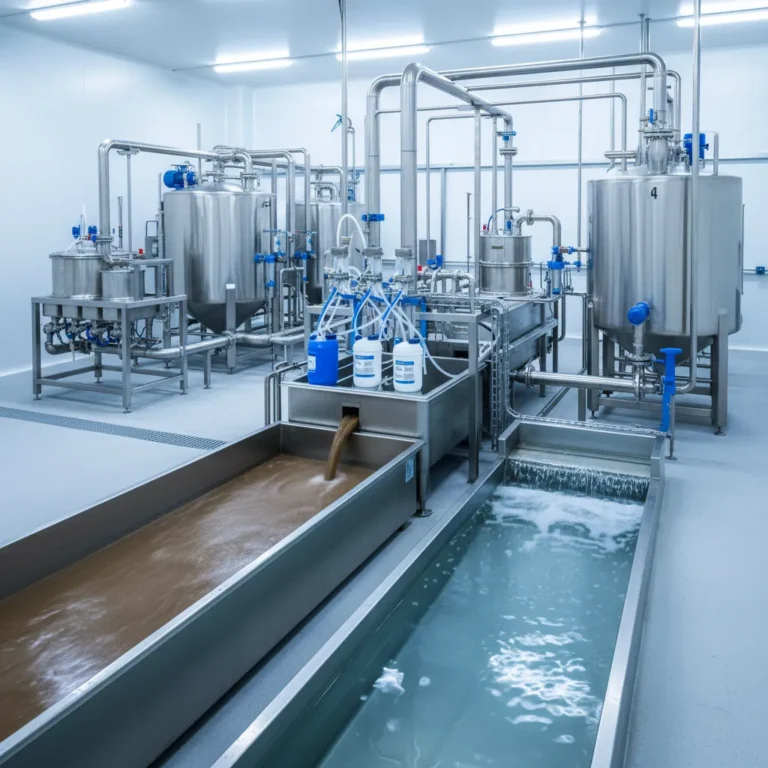
The food and beverage industry generates wastewater streams that are highly concentrated with organic matter, fats, oils, grease, sugars, proteins, and suspended solids, making effective treatment both critical and complex. Specialized wastewater treatment chemicals play a vital role in breaking down high organic loads, enhancing coagulation and flocculation, and improving the separation of solids from water. These chemicals help control unpleasant odors, inhibit microbial growth, and maintain strict hygiene standards required in food processing environments. Proper chemical treatment significantly improves clarification efficiency, lowers biological oxygen demand (BOD) and chemical oxygen demand (COD), and stabilizes downstream biological treatment processes. By optimizing pH levels and reducing shock loads, treatment chemicals protect equipment and biological systems from overload and operational disruptions. Effective wastewater management also ensures consistent compliance with food safety regulations and environmental discharge standards. Additionally, advanced chemical solutions support water reuse and recycling initiatives, reduce sludge volume, and promote sustainable water management practices across food and beverage manufacturing operations.
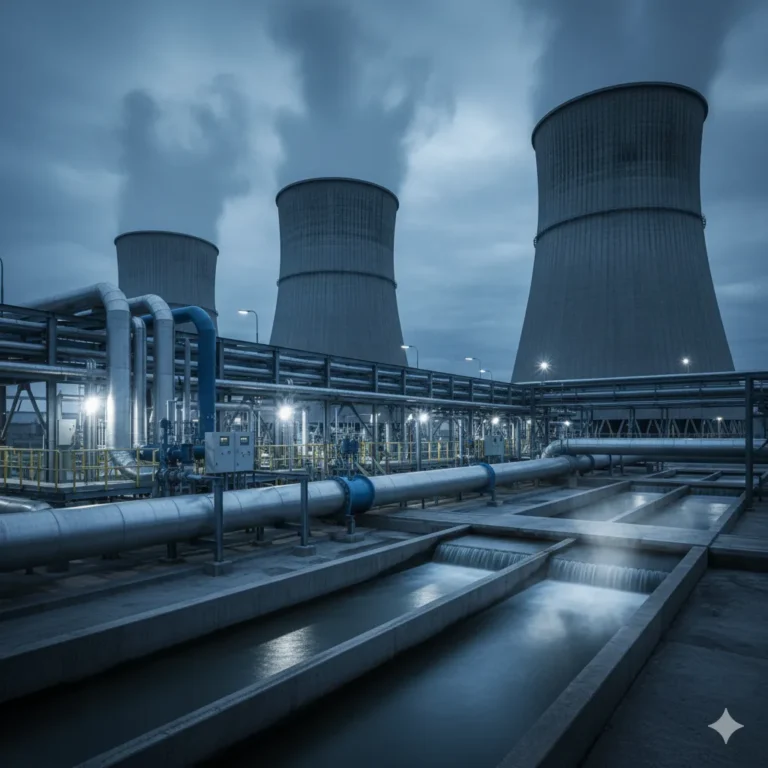
Power plants produce diverse wastewater streams originating from cooling towers, boiler blowdown, ash handling, and flue gas desulfurization processes, all of which require careful management to ensure safe and efficient operations. Wastewater treatment chemicals are essential for controlling scale formation, corrosion, fouling, and suspended solids that can damage heat exchangers, boilers, and cooling systems. Proper chemical conditioning stabilizes water chemistry by managing pH, hardness, and dissolved solids, ensuring consistent system performance and preventing unplanned shutdowns. These treatments enhance solids separation, improve discharge water quality, and support the effective operation of downstream treatment systems. By minimizing deposition and corrosion, treatment chemicals extend equipment lifespan, reduce maintenance costs, and improve overall cooling system efficiency. In addition, effective wastewater treatment enables power plants to meet strict environmental discharge regulations and water reuse standards, reducing environmental impact while supporting reliable, continuous, and sustainable power generation operations.
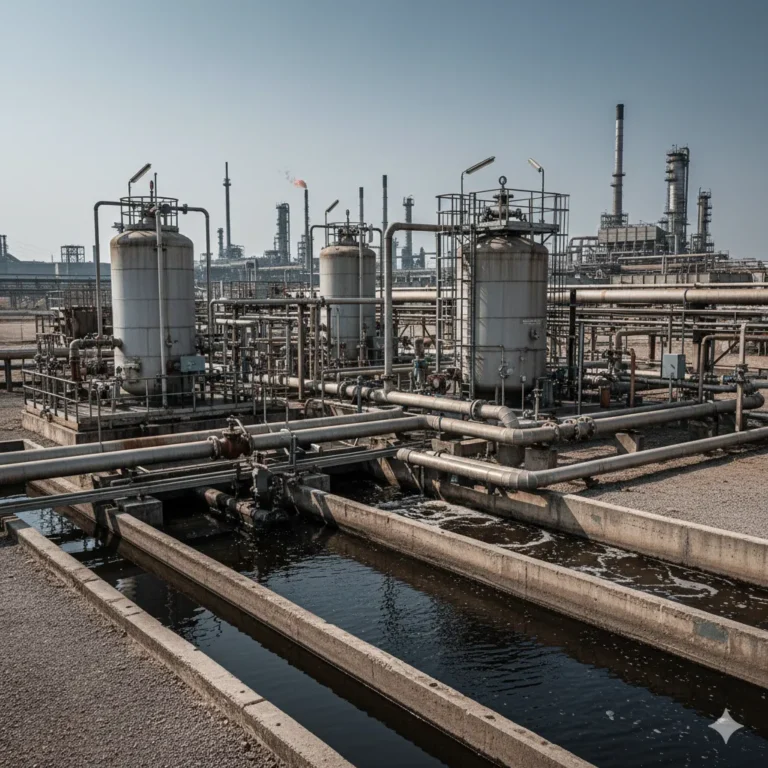
Oil and gas operations produce complex and highly variable wastewater streams that contain hydrocarbons, suspended solids, dissolved salts, heavy metals, and residual treatment chemicals from upstream and downstream processes. Specialized wastewater treatment chemicals play a critical role in achieving efficient oil-water separation, enhancing coagulation and flocculation, and removing fine solids and emulsified oils. These solutions help control contaminants that can interfere with biological or physical treatment systems, improving overall process stability and treatment reliability. Proper chemical treatment protects downstream equipment such as membranes, filters, and injection systems from fouling, scaling, and corrosion. By improving treated water quality, these chemicals enable safe discharge, reinjection, or reuse in operations such as enhanced oil recovery and utility water supply. Effective wastewater management ensures compliance with environmental regulations, reduces operational and safety risks, and supports sustainable water stewardship across upstream, midstream, and downstream oil and gas operations.
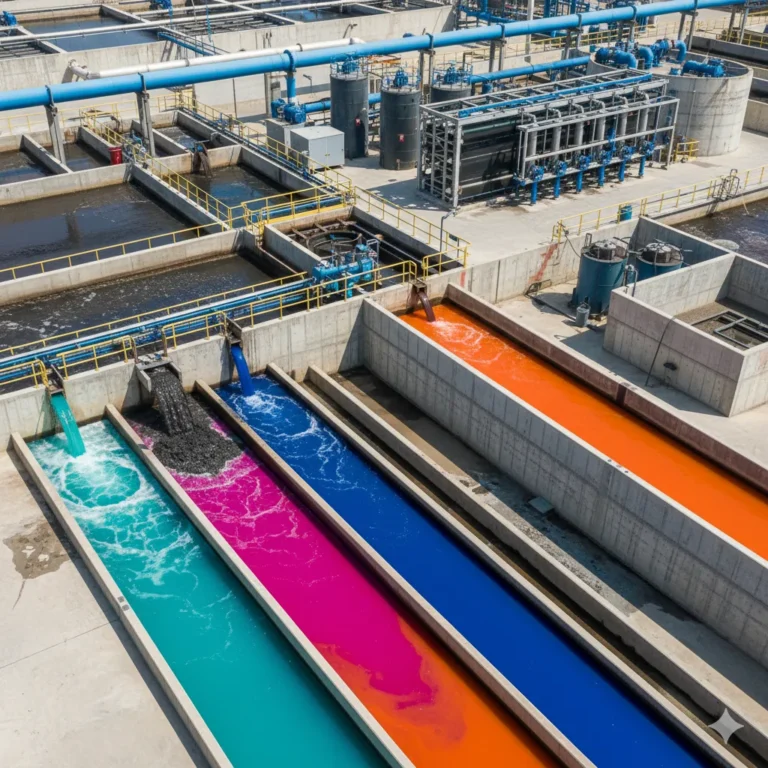
Textile and processing industries generate wastewater streams that are heavily loaded with synthetic dyes, surfactants, salts, auxiliary chemicals, and high levels of organic matter, making treatment particularly challenging. Wastewater treatment chemicals play a vital role in removing color, reducing toxic contaminants, and improving overall effluent clarity through effective coagulation, flocculation, and precipitation processes. These advanced chemical treatments enable the aggregation and removal of fine particles and dissolved pollutants that are difficult to eliminate through physical methods alone. Proper chemical dosing enhances treatment efficiency, stabilizes system performance, and significantly reduces chemical oxygen demand (COD) and biological oxygen demand (BOD). Effective wastewater treatment ensures consistent compliance with stringent discharge regulations, minimizes the impact on receiving water bodies, and protects aquatic ecosystems.
Improve suspended solids removal, destabilize colloidal particles, and enhance overall clarification efficiency, ensuring consistent effluent quality and smoother downstream treatment operations.
Promote particle aggregation, form stronger flocs, and improve sludge settling and separation performance, resulting in clearer water and reduced load on filtration systems.
Maintain optimal treatment conditions, stabilize process performance, and protect equipment from corrosion and scaling, while supporting effective biological and chemical reactions.
Enhance sludge dewatering efficiency, reduce sludge volume, and lower handling and disposal costs, improving overall plant efficiency and reducing operational downtime.
Neutralize foul odors, suppress odor-causing compounds, and improve the overall treatment plant environment, creating safer working conditions and better community relations.

Welcome to Metco, your trusted industrial solutions partner in Saudi Arabia.
You will notified when something new will appear