
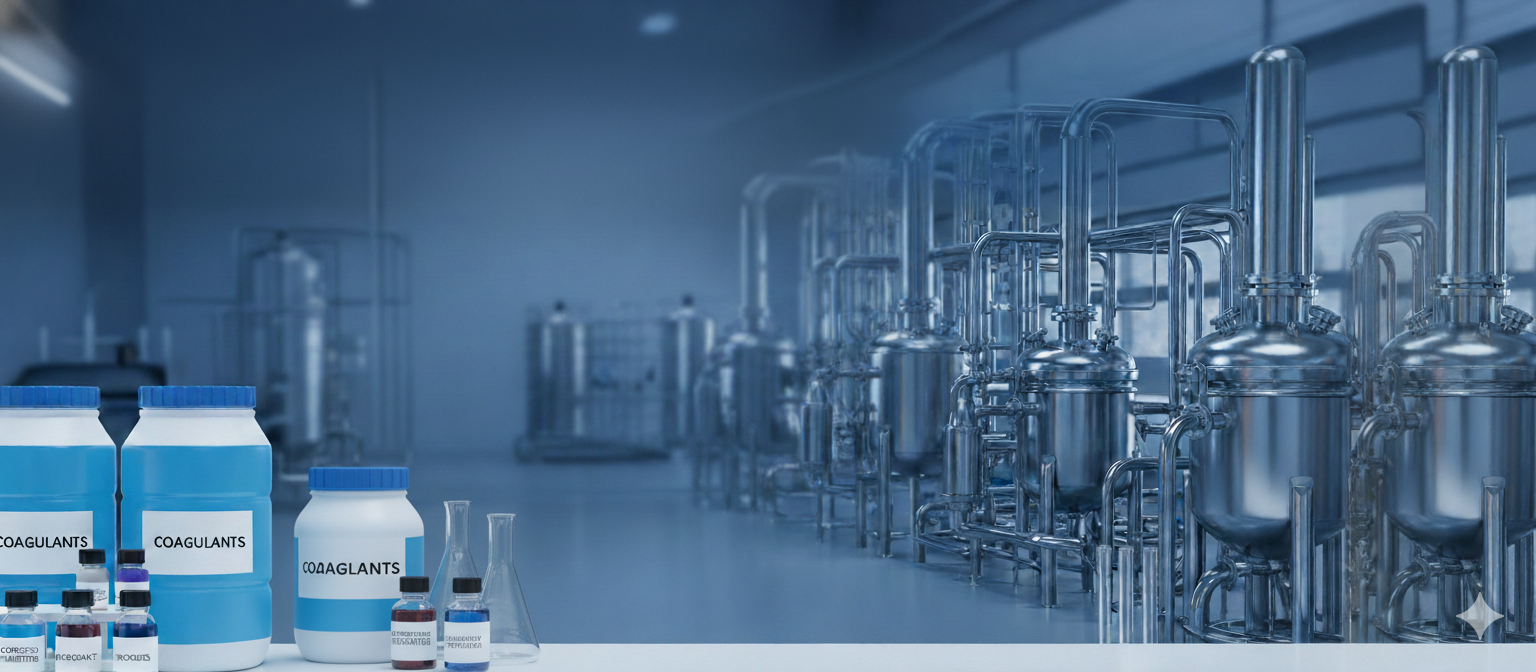
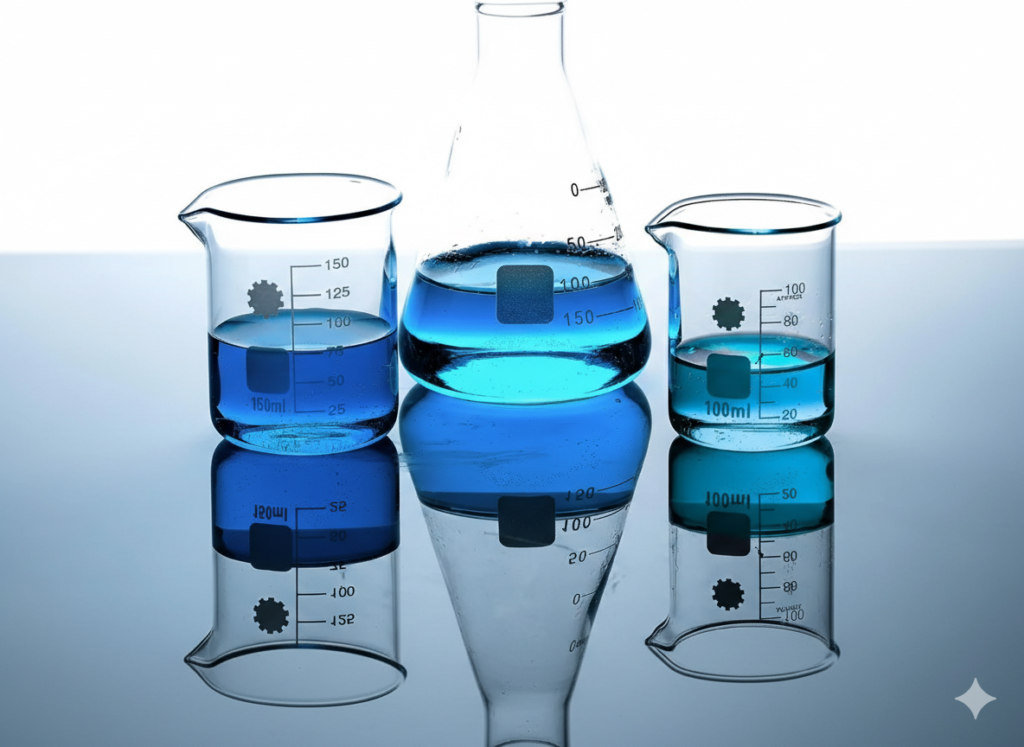
Water treatment chemicals are essential for ensuring safe, reliable, and efficient water and wastewater management across industrial, municipal, and desalination systems. They support critical processes such as disinfection, coagulation, flocculation, scale and corrosion control, pH adjustment, and membrane protection. By preventing buildup, controlling contaminants, and maintaining chemical balance, these chemicals enhance system performance, improve water quality, and extend the life of equipment and infrastructure. Proper dosing ensures compliance with environmental and industrial standards, reduces operational costs, and supports sustainable water reuse. Overall, water treatment chemicals are a vital component of modern water purification and wastewater management solutions.
Water treatment chemicals are vital for optimizing the performance and safety of water and wastewater systems. They aid in removing impurities, controlling scale and corrosion, adjusting pH levels, and protecting sensitive membranes in processes like reverse osmosis and ultrafiltration. By enhancing solid–liquid separation, preventing microbial growth, and maintaining chemical balance, these solutions ensure consistent water quality and reliable system operation. Proper use reduces maintenance costs, extends equipment life, and helps facilities comply with stringent industrial, municipal, and environmental standards.

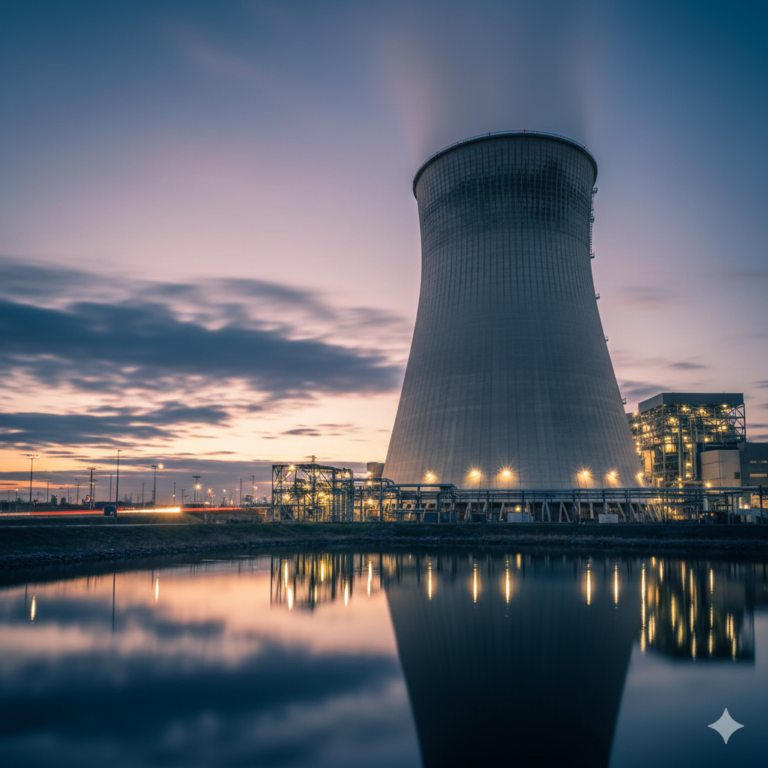
In power plants, water treatment chemicals play a vital role in maintaining the reliability, efficiency, and safety of boiler, cooling, and steam generation systems. Large volumes of water are continuously circulated through boilers, condensers, and cooling towers, making these systems highly susceptible to scale formation, corrosion, fouling, and microbiological growth if water quality is not properly controlled. Specialized treatment chemicals such as scale inhibitors, corrosion inhibitors, oxygen scavengers, dispersants, and biocides are used to manage these challenges effectively. Specialized treatment chemicals such as scale inhibitors, corrosion inhibitors, oxygen scavengers, dispersants, and biocides are used to manage these challenges effectively. Specialized treatment chemicals such as scale inhibitors, corrosion inhibitors, oxygen scavengers, dispersants, and biocides are used to manage these challenges effectively. Specialized treatment chemicals such as scale inhibitors, corrosion inhibitors, oxygen scavengers, dispersants, and biocides are used to manage these challenges effectively.
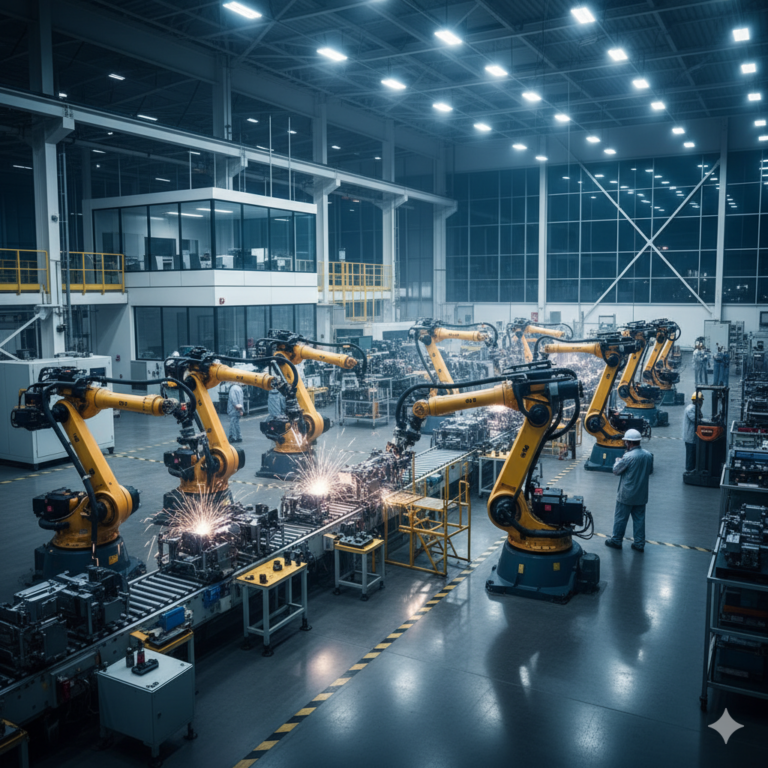
In modern manufacturing facilities, treated water plays a critical role in maintaining consistent process quality and ensuring the reliable operation of equipment. Many industrial processes—such as cooling, heating, cleaning, rinsing, and product formulation—depend heavily on water with controlled chemical and physical properties. Without proper treatment, impurities such as dissolved salts, suspended solids, microorganisms, and corrosive agents can negatively affect both product quality and system performance.
Effective chemical water treatment helps prevent common operational issues including scaling, corrosion, fouling, and biological growth in pipelines, boilers, cooling towers, and heat exchangers. Scale formation reduces heat transfer efficiency, while corrosion can lead to equipment degradation, leaks, and unplanned shutdowns. By using the appropriate treatment chemicals and monitoring programs, manufacturers can significantly extend the service life of machinery and reduce the risk of sudden equipment failure.
Water treatment chemicals play a vital role in controlling scaling, corrosion, and microbial growth in cooling and HVAC systems, ensuring reliable and efficient system performance over time. In cooling towers, chillers, boilers, and associated pipework, untreated or poorly treated water can lead to mineral scale buildup, which acts as an insulating layer on heat transfer surfaces and significantly reduces heat exchange efficiency. Corrosion, caused by aggressive water chemistry and dissolved oxygen, can weaken metal components, leading to leaks, equipment damage, and unexpected shutdowns. At the same time, microbial growth such as algae, bacteria, and biofilms can clog pipelines, reduce water flow, create foul odors, and increase the risk of health hazards. Properly formulated water treatment chemicals, including scale inhibitors, corrosion inhibitors, and biocides, work together to stabilize water chemistry, protect system materials, and control biological activity. Additionally, effective water treatment minimizes maintenance requirements, extends equipment lifespan, and prevents costly system failures, allowing facilities to maintain consistent indoor comfort, reliable cooling performance, and uninterrupted operations.
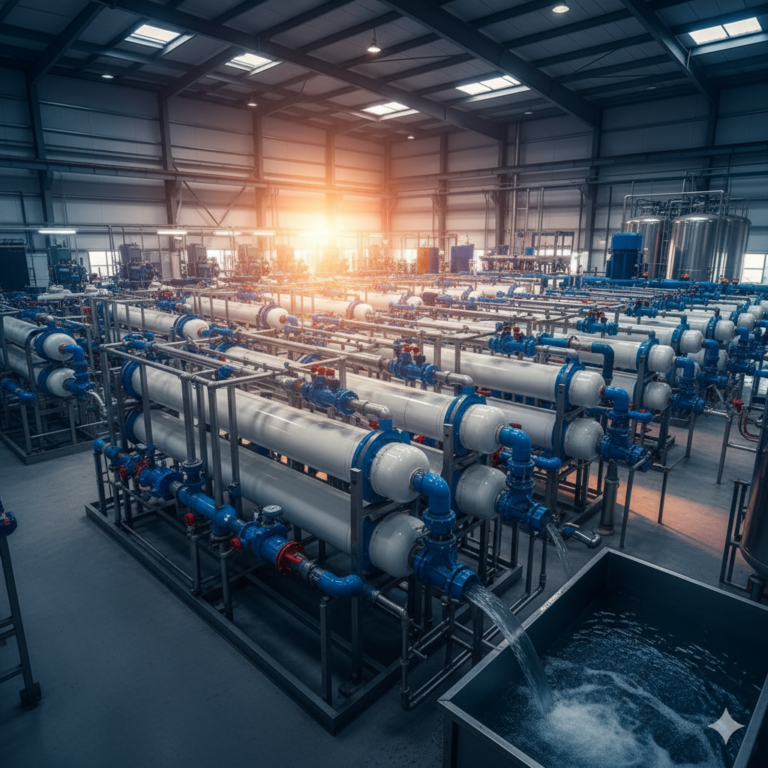
Our closed-circuit treatment chemicals are specifically engineered to meet the performance demands of heating and cooling systems operating in closed-loop configurations, where water remains in continuous circulation and stability is essential for long-term reliability. These formulations are designed to deliver sustained corrosion protection for system components constructed from steel, copper, aluminum, and mixed metals, preventing rust, pitting, and galvanic corrosion that can compromise system integrity. In addition to corrosion control, the chemicals help maintain overall system cleanliness by dispersing suspended solids and inhibiting the formation of sludge, deposits, and biofilm that can restrict flow and reduce heat transfer efficiency. By preserving clean internal surfaces, the treatment supports optimal thermal performance and consistent temperature control throughout the system. This results in lower energy consumption, reduced maintenance frequency, and extended equipment life. Our closed-circuit treatment solutions are suitable for a wide range of applications, including commercial buildings, healthcare facilities, educational institutions, and industrial operations, where uninterrupted heating and cooling are critical. In sensitive environments such as hospitals and laboratories, the treatments contribute to system reliability while supporting hygiene and safety requirements.
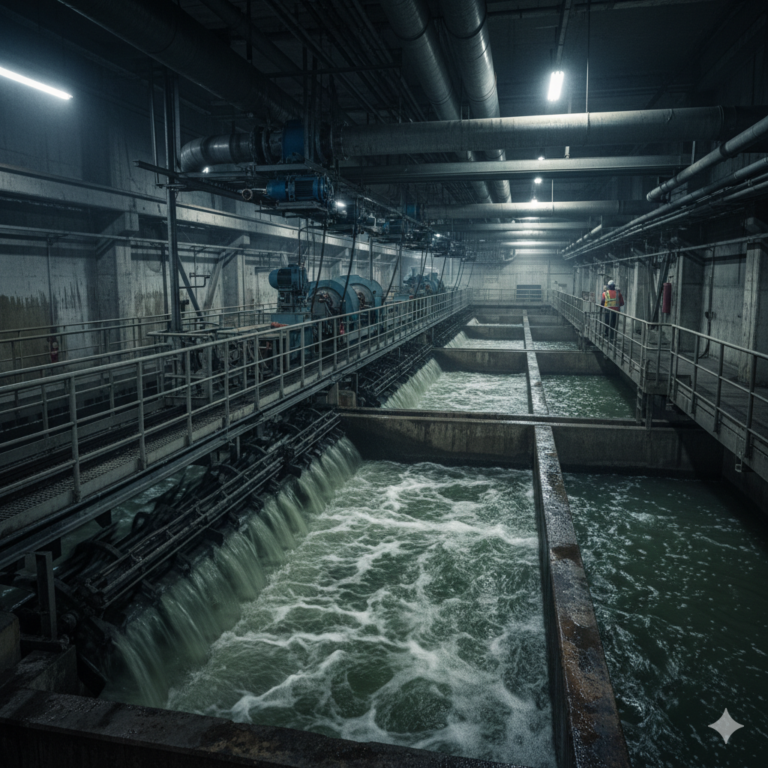
Chemicals play a key role in coagulation, flocculation, pH control, and biological treatment processes, forming the foundation of effective industrial and municipal wastewater management. During coagulation and flocculation, carefully selected chemicals neutralize the electrical charges of suspended and colloidal particles, allowing them to aggregate into larger, heavier flocs that can be easily removed through sedimentation or filtration. pH control chemicals are equally critical, as maintaining the correct pH range optimizes treatment efficiency, protects downstream equipment, and creates favorable conditions for chemical and biological reactions. In biological treatment systems, nutrients, oxygen scavengers, and specialized additives support microbial activity, enabling the efficient breakdown of organic contaminants and reduction of biochemical oxygen demand. Together, these treatment chemicals help industries consistently meet stringent discharge regulations by reducing pollutants such as suspended solids, heavy metals, oils, and organic matter to acceptable levels. In addition, effective chemical treatment enhances the quality of treated effluent, making it suitable for reuse in applications such as cooling, washing, or irrigation. By supporting water reuse initiatives, these chemicals help industries conserve freshwater resources, lower operating costs, and achieve sustainability and environmental compliance goals.
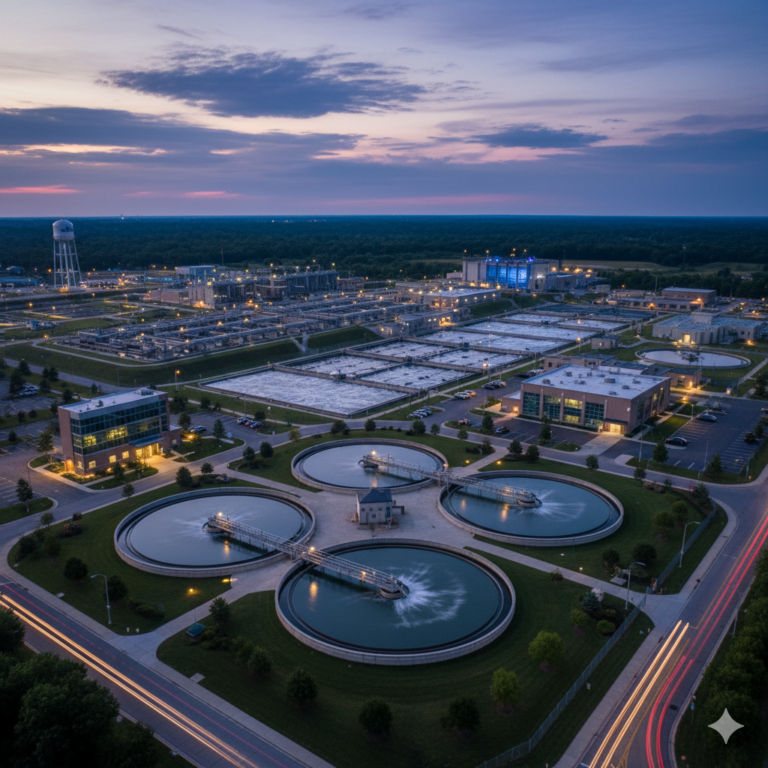
In municipal water systems, treatment chemicals play a vital role in ensuring the delivery of safe, clean, and regulatory-compliant drinking and utility water to communities across diverse service areas and operating conditions. These chemicals are essential at multiple stages of the treatment process, from coagulation and filtration to final disinfection, where they help eliminate harmful pathogens such as bacteria, viruses, and protozoa that pose risks to public health. Disinfectants and disinfectant by-product control chemicals ensure microbiological safety while maintaining water quality throughout the distribution network. Corrosion control chemicals are equally important, as they stabilize water chemistry and protect pipelines, storage tanks, and household plumbing from corrosion and metal leaching. This not only extends the service life of municipal infrastructure but also prevents contaminants such as lead and copper from entering the water supply. Additionally, treatment chemicals help maintain aesthetic water quality by controlling taste, odor, and color, improving consumer confidence. Over the long term, effective chemical treatment reduces maintenance costs, minimizes pipe failures, and supports sustainable asset management. Together, these functions enable municipalities to provide reliable water services while meeting strict regulatory standards and safeguarding public health.

In power plants, water treatment chemicals play a vital role in maintaining the reliability, efficiency, and safety of boiler, cooling, and steam generation systems. Large volumes of water are continuously circulated through boilers, condensers, and cooling towers, making these systems highly susceptible to scale formation, corrosion, fouling, and microbiological growth if water quality is not properly controlled. Specialized treatment chemicals such as scale inhibitors, corrosion inhibitors, oxygen scavengers, dispersants, and biocides are used to manage these challenges effectively. Specialized treatment chemicals such as scale inhibitors, corrosion inhibitors, oxygen scavengers, dispersants, and biocides are used to manage these challenges effectively. Specialized treatment chemicals such as scale inhibitors, corrosion inhibitors, oxygen scavengers, dispersants, and biocides are used to manage these challenges effectively. Specialized treatment chemicals such as scale inhibitors, corrosion inhibitors, oxygen scavengers, dispersants, and biocides are used to manage these challenges effectively.
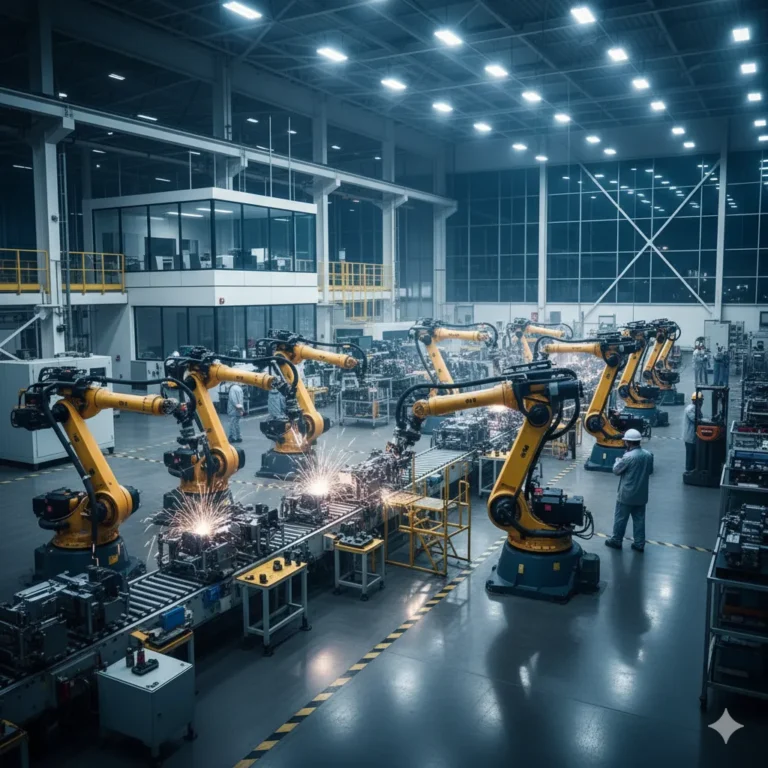
In modern manufacturing facilities, treated water plays a critical role in maintaining consistent process quality and ensuring the reliable operation of equipment. Many industrial processes—such as cooling, heating, cleaning, rinsing, and product formulation—depend heavily on water with controlled chemical and physical properties. Without proper treatment, impurities such as dissolved salts, suspended solids, microorganisms, and corrosive agents can negatively affect both product quality and system performance.
Effective chemical water treatment helps prevent common operational issues including scaling, corrosion, fouling, and biological growth in pipelines, boilers, cooling towers, and heat exchangers. Scale formation reduces heat transfer efficiency, while corrosion can lead to equipment degradation, leaks, and unplanned shutdowns. By using the appropriate treatment chemicals and monitoring programs, manufacturers can significantly extend the service life of machinery and reduce the risk of sudden equipment failure.
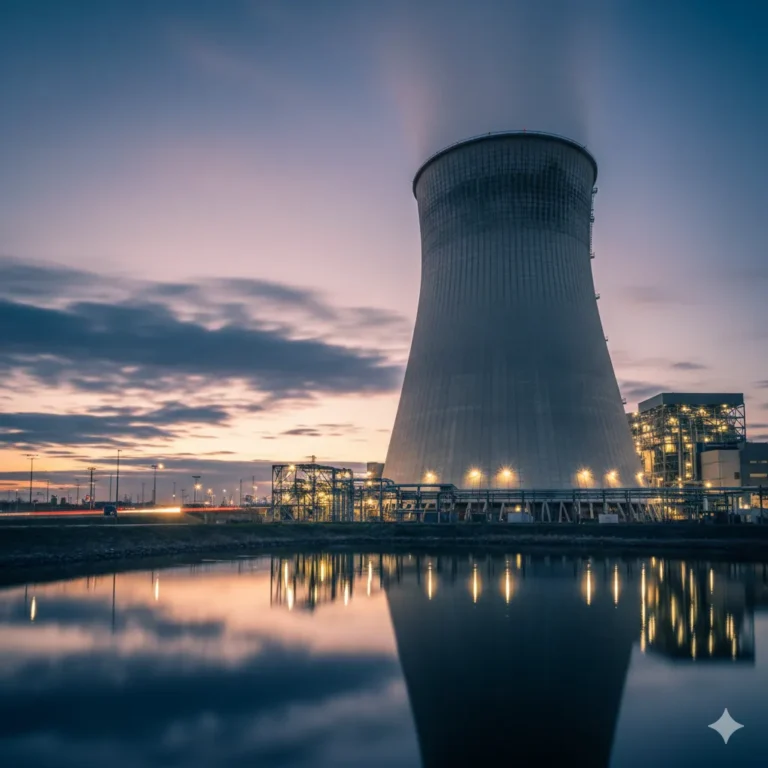
Water treatment chemicals play a vital role in controlling scaling, corrosion, and microbial growth in cooling and HVAC systems, ensuring reliable and efficient system performance over time. In cooling towers, chillers, boilers, and associated pipework, untreated or poorly treated water can lead to mineral scale buildup, which acts as an insulating layer on heat transfer surfaces and significantly reduces heat exchange efficiency. Corrosion, caused by aggressive water chemistry and dissolved oxygen, can weaken metal components, leading to leaks, equipment damage, and unexpected shutdowns. At the same time, microbial growth such as algae, bacteria, and biofilms can clog pipelines, reduce water flow, create foul odors, and increase the risk of health hazards. Properly formulated water treatment chemicals, including scale inhibitors, corrosion inhibitors, and biocides, work together to stabilize water chemistry, protect system materials, and control biological activity. Additionally, effective water treatment minimizes maintenance requirements, extends equipment lifespan, and prevents costly system failures, allowing facilities to maintain consistent indoor comfort, reliable cooling performance, and uninterrupted operations.
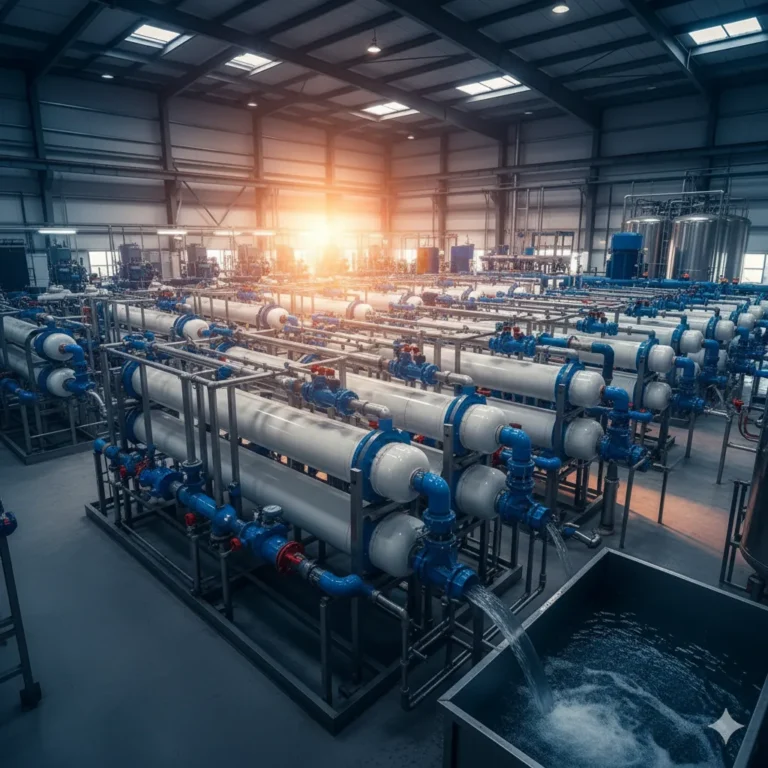
Our closed-circuit treatment chemicals are specifically engineered to meet the performance demands of heating and cooling systems operating in closed-loop configurations, where water remains in continuous circulation and stability is essential for long-term reliability. These formulations are designed to deliver sustained corrosion protection for system components constructed from steel, copper, aluminum, and mixed metals, preventing rust, pitting, and galvanic corrosion that can compromise system integrity. In addition to corrosion control, the chemicals help maintain overall system cleanliness by dispersing suspended solids and inhibiting the formation of sludge, deposits, and biofilm that can restrict flow and reduce heat transfer efficiency. By preserving clean internal surfaces, the treatment supports optimal thermal performance and consistent temperature control throughout the system. This results in lower energy consumption, reduced maintenance frequency, and extended equipment life. Our closed-circuit treatment solutions are suitable for a wide range of applications, including commercial buildings, healthcare facilities, educational institutions, and industrial operations, where uninterrupted heating and cooling are critical. In sensitive environments such as hospitals and laboratories, the treatments contribute to system reliability while supporting hygiene and safety requirements.
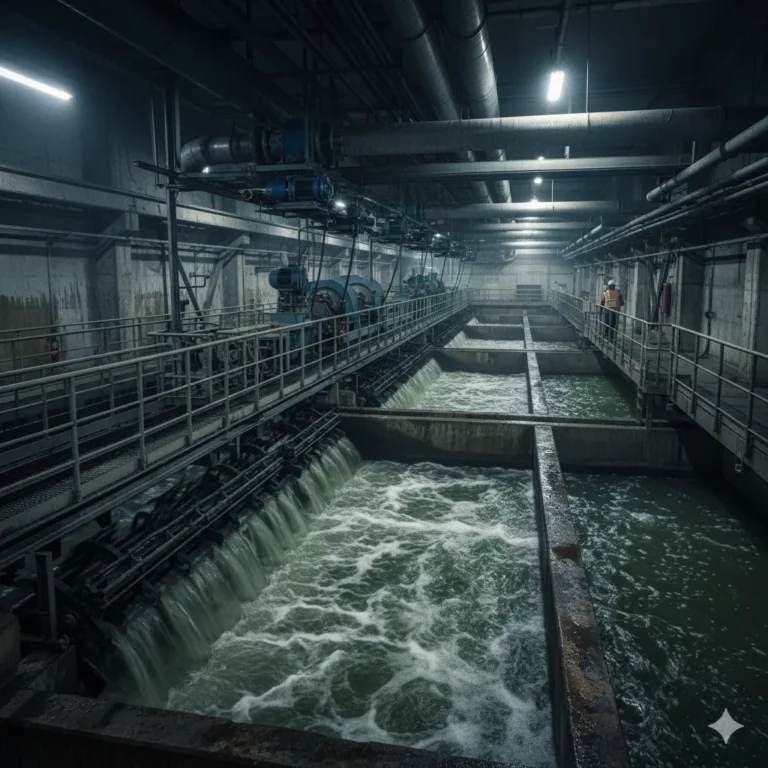
Chemicals play a key role in coagulation, flocculation, pH control, and biological treatment processes, forming the foundation of effective industrial and municipal wastewater management. During coagulation and flocculation, carefully selected chemicals neutralize the electrical charges of suspended and colloidal particles, allowing them to aggregate into larger, heavier flocs that can be easily removed through sedimentation or filtration. pH control chemicals are equally critical, as maintaining the correct pH range optimizes treatment efficiency, protects downstream equipment, and creates favorable conditions for chemical and biological reactions. In biological treatment systems, nutrients, oxygen scavengers, and specialized additives support microbial activity, enabling the efficient breakdown of organic contaminants and reduction of biochemical oxygen demand. Together, these treatment chemicals help industries consistently meet stringent discharge regulations by reducing pollutants such as suspended solids, heavy metals, oils, and organic matter to acceptable levels. In addition, effective chemical treatment enhances the quality of treated effluent, making it suitable for reuse in applications such as cooling, washing, or irrigation. By supporting water reuse initiatives, these chemicals help industries conserve freshwater resources, lower operating costs, and achieve sustainability and environmental compliance goals.
In municipal water systems, treatment chemicals play a vital role in ensuring the delivery of safe, clean, and regulatory-compliant drinking and utility water to communities across diverse service areas and operating conditions. These chemicals are essential at multiple stages of the treatment process, from coagulation and filtration to final disinfection, where they help eliminate harmful pathogens such as bacteria, viruses, and protozoa that pose risks to public health. Disinfectants and disinfectant by-product control chemicals ensure microbiological safety while maintaining water quality throughout the distribution network. Corrosion control chemicals are equally important, as they stabilize water chemistry and protect pipelines, storage tanks, and household plumbing from corrosion and metal leaching. This not only extends the service life of municipal infrastructure but also prevents contaminants such as lead and copper from entering the water supply. Additionally, treatment chemicals help maintain aesthetic water quality by controlling taste, odor, and color, improving consumer confidence. Over the long term, effective chemical treatment reduces maintenance costs, minimizes pipe failures, and supports sustainable asset management. Together, these functions enable municipalities to provide reliable water services while meeting strict regulatory standards and safeguarding public health.
Our high-performance antiscalants and membrane cleaners are designed to protect reverse osmosis systems under a wide range of operating conditions and feed water qualities. These formulations help control scale formation, reduce fouling, and ensure long-term membrane efficiency and reliability.
Our advanced cooling tower chemicals are developed to protect systems from scale, corrosion, and microbial growth. These solutions help maintain efficient heat exchange, reduce water and energy consumption, and extend equipment life.
Our steam boiler treatment chemicals are formulated to suit varying inlet water qualities, operating pressures, and metal alloys. They effectively prevent scale, corrosion, and deposits, ensuring safe boiler operation, improved heat transfer efficiency, and reduced operating costs.
Our closed-circuit treatment chemicals are engineered for heating and cooling systems operating in closed loops. They provide long-term corrosion protection and system cleanliness in commercial buildings, healthcare facilities, educational institutions, and industrial application
Our geothermal treatment chemicals are specifically designed to control scaling, corrosion, and mineral deposition in geothermal pipelines and heat exchangers, ensuring reliable and efficient plant performance.
Our potable water treatment chemicals are manufactured in compliance with international standards and are safe for use in drinking and utility water systems. They support effective disinfection, corrosion control, and consistent water quality.

Welcome to Metco, your trusted industrial solutions partner in Saudi Arabia.
You will notified when something new will appear